Why is it time to adopt the Environment, Social and Governance (ESG) timeframe?
Recent events have brought about a significant change in the world; in the way we live, work and interact. Whilst this has significantly impacted industry, those of us who have a ‘glass half full’ outlook will recognise the positive impact that this large-scale lockdown is having/has had on our environment. Studies have shown that pollution […]
What’s Involved In A SAP Calculation?
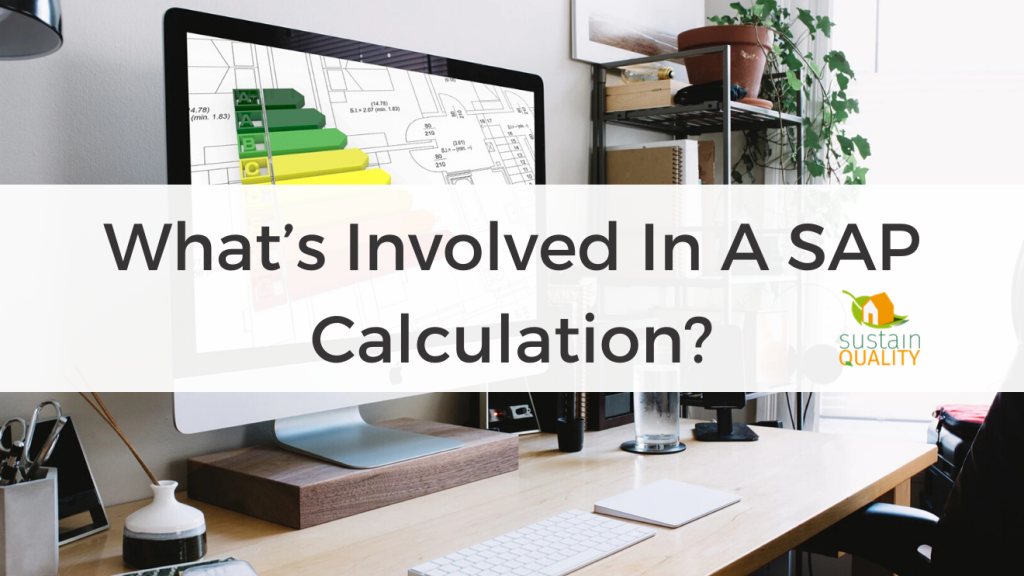
When a client or their designer submits drawings, plans andspecifications of the development to a SAP assessor, a desktop exercise iscarried out-using specialist software. We recommend that the SAP calculation isundertaken early in the design process. This will prevent any re-designs, whichmay be costly. Usually, SAP calculations involve three main stages. This blog aims to […]
EPCs and SAP Calculations
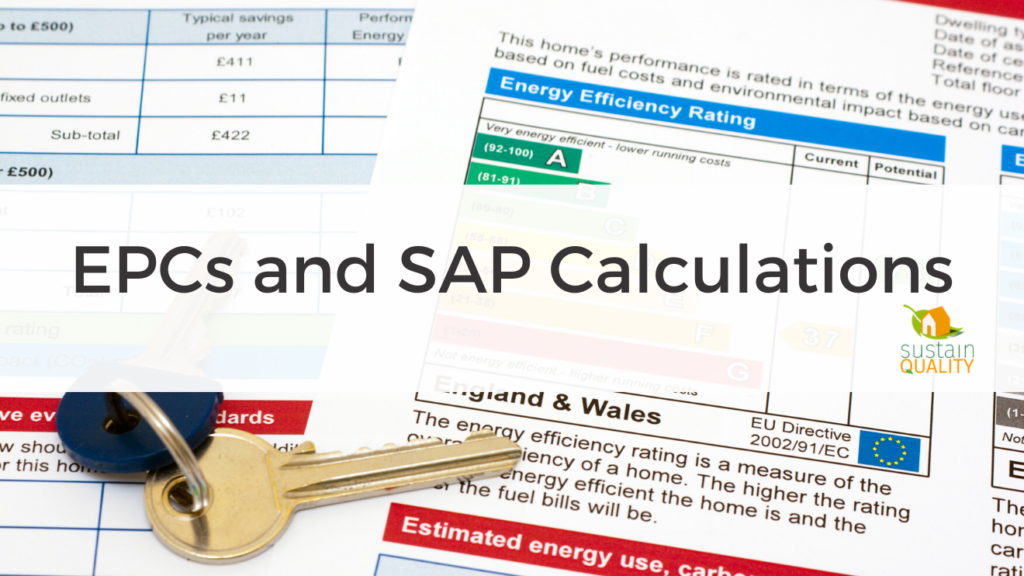
EPCs (Energy Performance Certificates) and SAPs (Standard Assessment Procedures) work in conjunction for all new residential properties. The EPC uses the SAP rating to provide an energy performance scale. As Sustain Quality, we ensure that homes are built forwarmth and energy efficiency, using a detailed and strategic approach. Read on to find out how SAPs […]
Why Are SAP Calculations Important?
SAP calculations perform a vital role in the design of residentialdevelopments, conversions and some extensions in the UK and are essential forpassing Building Regulations. Aside from it being a legal requirement, however, this postaims to uncover further reasons why SAP calculations are so important. Read on to find out more…
What Are SAP Calculations?
SAP stands for Standard Assessment Procedure and is a measure of a building’s energy efficiency. Unlike an SBEM calculation, which focuses solely on commercial properties, SAP calculations are based on residential developments, conversions and some extensions. When a residential building has passed an SAP assessment, an Energy Performance Certificate (EPC) is generated. An EPC is […]