The Energy Hierarchy and building design

The Energy Hierarchy and building designFrom January 2023 onwards, any and all planning applications in England must comply with the Building Regulations which came into effect in June 2022, requiring all new-build homes to produce 31% less carbon emissions than the previous limit. Reducing overall carbon emissions – whose limit is set to become more […]
Achieving Net Zero on residential developments

Achieving Net Zero on residential developments Achieving Net Zero – As the UK aims to reach its net zero target – bringing carbon emissions down by at least 100% the 1990 levels – by 2050, achieving net zero in any building is vital. Not only are standards and regulations more and more stringent: prospective home […]
How Can Sustain Quality Help My Organisation?

Sustainability Consultants London When an organisation turns to us at Sustain Quality, they gain access to a team of professionals that are dedicated to providing services that help save on energy costs. Sustainability consultants are incredibly knowledgeable in the steps that need to be taken to create net-zero buildings for organisations of all sizes. Therefore, it is important to choose […]
New building legislation

New building legislation New building legislation – The Building Regulations in England were updated in June 2022. This is the first in a series of changes which will be made between now and 2025. That’s when the Future Homes Standard will come into effect, which will require all homes to produce 75-80% fewer carbon emissions. […]
How do SAP calculations work?

SSSAP Calculations for New Dwellings SAP calculations measure two critical elements for dwellings in England: the Dwelling Emission Rate (DER) and the Dwelling Fabric Energy Efficiency (DFEE). These measurements compare to a Target Emissions Rate (TER) and a Target Fabric Energy Efficiency (TFEE) rate. Both the DER and DFEE must be lower than the target […]
How is a residential home’s energy efficiency calculated?
SAP (Standard Assessment Procedures) SAP (Standard Assessment Procedures) measures the estimated energy efficiency and carbon footprint of residential buildings. It stands as the only government-approved system for assessing the energy rating of newly built homes. This assessment relies on standardised assumptions for occupancy and occupant behaviour. Importance of SAP Calculations SAP calculations serve as a […]
Whole Life Cycle Assessment And Building Circularity For The London Plan
Whole Life Cycle Assessment for GLA Here, we delve deeper into the new London Plan 2021 and how Mayor Sadiq Khan has set London’s future construction and environmental development. This is relevant to architects and aims to reduce greenhouse gas emissions through major building project requirements and build occupancy and future management. The Mayor’s plan […]
How Can Building Simulation & Modelling Help You Achieve Net Zero?
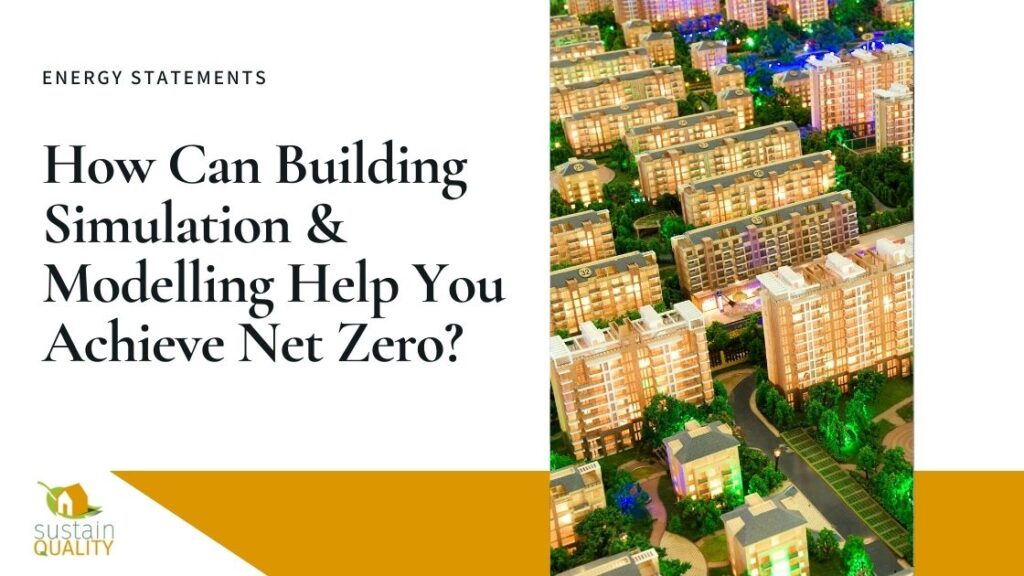
For building developers and architects aiming to create buildings that are net-zero, in line with the government’s mission of achieving net-zero by 2050, the latest technological advances in building simulations and modelling can help. Building simulation and modelling software help create building designs that give an accurate representation of not only the design but also […]
The Complete Guide To Developing A Net Zero Building
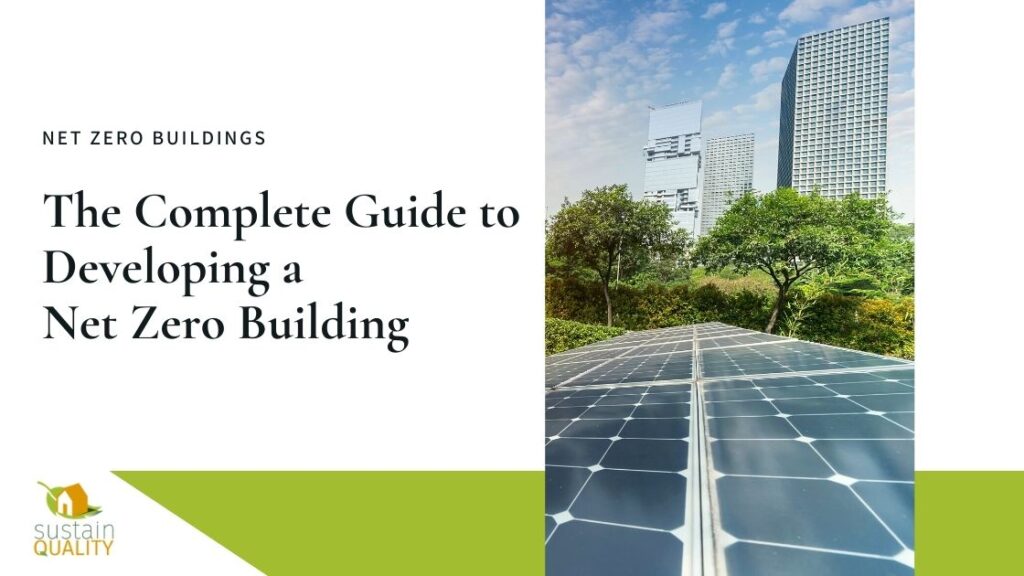
The World Green Building Council (WorldGBC) has issued findings reporting that the number of organisations committed to net-zero energy buildings has doubled in one year. This is an incredible statistic and shows the combined global effort we are all making to combat climate change. Creating a sustainable world involves creating buildings that are net-zero. In […]
What is The Guidance Available For Achieving Net Zero?
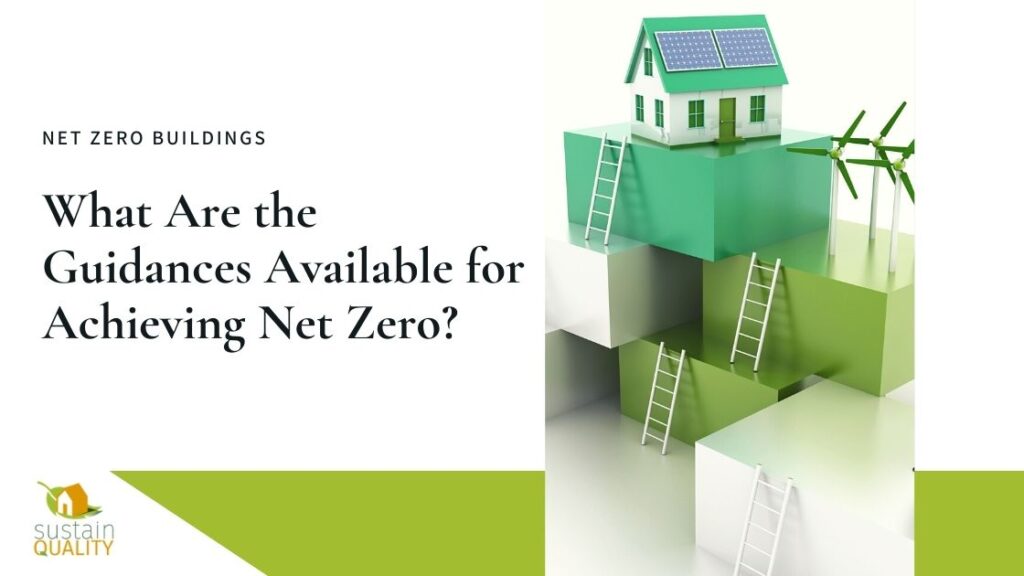
Achieving Net Zero With the UK government’s declaration of a Climate Emergency, the urgency to address carbon emissions has been accelerated. Therefore, the New legislation for the construction industry has asserted that all new buildings should be net zero carbon by 2030. Moreover, With all existing buildings net-zero by 2050. Additionally, Traditional buildings are responsible for consuming […]