
EPCs and SAP Calculations
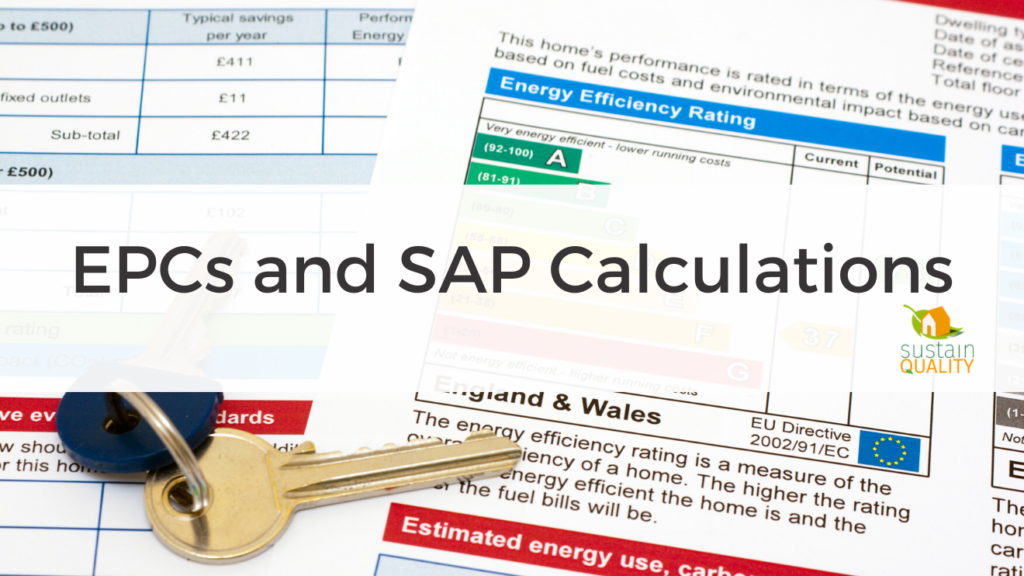
EPCs (Energy Performance Certificates) and SAPs (Standard Assessment Procedures) work in conjunction for all new residential properties. The EPC uses the SAP rating to provide an energy performance scale. As Sustain Quality, we ensure that homes are built forwarmth and energy efficiency, using a detailed and strategic approach. Read on to find out how SAPs […]
Why Are SAP Calculations Important?
SAP calculations perform a vital role in the design of residentialdevelopments, conversions and some extensions in the UK and are essential forpassing Building Regulations. Aside from it being a legal requirement, however, this postaims to uncover further reasons why SAP calculations are so important. Read on to find out more…
What Are SAP Calculations?
SAP stands for Standard Assessment Procedure and is a measure of a building’s energy efficiency. Unlike an SBEM calculation, which focuses solely on commercial properties, SAP calculations are based on residential developments, conversions and some extensions. When a residential building has passed an SAP assessment, an Energy Performance Certificate (EPC) is generated. An EPC is […]
BREEAM NC 2018 – Engagement, Timeline and Cost Implications

Engagement Early engagement with the BREEAM UK New Construction (NC) scheme and appointment of a licensed Assessor is important to achieve optimal integration of the methodology into the new-build procurement process. At this early stage, the performance of the building and the desired BREEAM rating can be achieved while there is greater flexibility and choice […]
Main Changes proposed to the Future Homes Standard
The UK government has published plans to update building regulations in the Future Home Standard Consultation. There is a consultation on the actual size of uplifting part L (conservation of power and energy) with a requirement that emissions of carbon dioxide from modern homes be reduced by 78 percent starting from 2025. The proposed step in achieving […]
Government Consultation: Part L and Part F – Changes to the Building Regulations

We have prepared a summary of the Main Changes Proposed to the Future Homes Standard (click here). The expected changes to the Building Regulations are starting with Part L for new homes, including changes to Part F (ventilation), its associated Approved Documents Guidance, airtightness and with improving as-built performance of the new homes. The Future […]
Your Essential Guide To SBEM Calculations
A high priority within the building industry is to find waysto create greener, more sustainable developments. As a result, energyefficiency is a high priority in the UK. Energy assessments are carried out to ensure that newbuildings are: Well insulated Well ventilated Efficiently heated, cooled and lit Sustainable
How To Pass An SBEM Assessment
When we complete an SBEM calculation we provide an EnergyPerformance Certificate (EPC) to demonstrate compliance. There are several criterions for Part L2A of the UK’sCommercial Building Regulations in order to pass an SBEM calculation which wewill explore now. It’s important to note that this is not a one-size-fits-allapproach, but there are key areas that can […]
How Many People Are killed by Noise Abuse Every Year?

Research shows that loud sound can have a significant impact on human health, as well as doing devastating damage to ecosystems.
How Are SBEM Calculations Made?
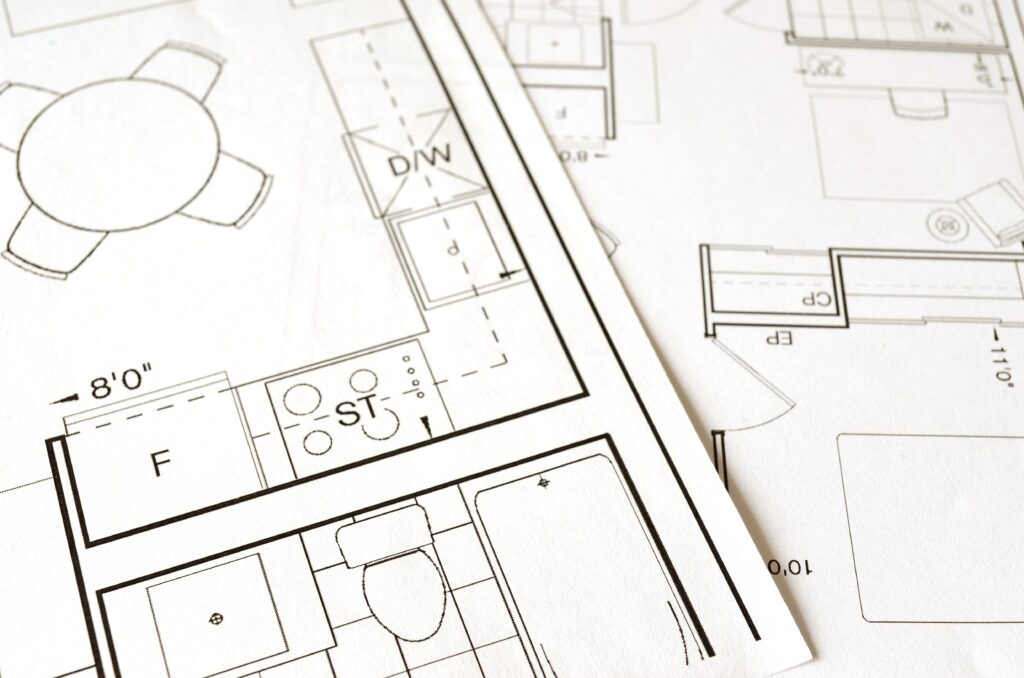
A Simplified Building Energy Model (SBEM) calculation must be completed to prove a new commercial building is compliant with Part L Building Regulations.